In stainless steel precision investment casting, the only moment when alloy chemistry can still be corrected is while the metal is molten.
Once the metal has been poured into moulds and solidified, the chemical composition is fixed. Any deviation in carbon, sulphur or phosphorus at that stage can no longer be adjusted and may directly affect corrosion resistance, weld performance and long-term reliability.
For this reason, advanced foundries place Optical Emission Spectroscopy (OES) at the furnace and carry out metal analysis before pouring. By verifying heat chemistry at the molten stage, they ensure the alloy complies fully with customer requirements and relevant ASTM / EN material standards before castings are even made.
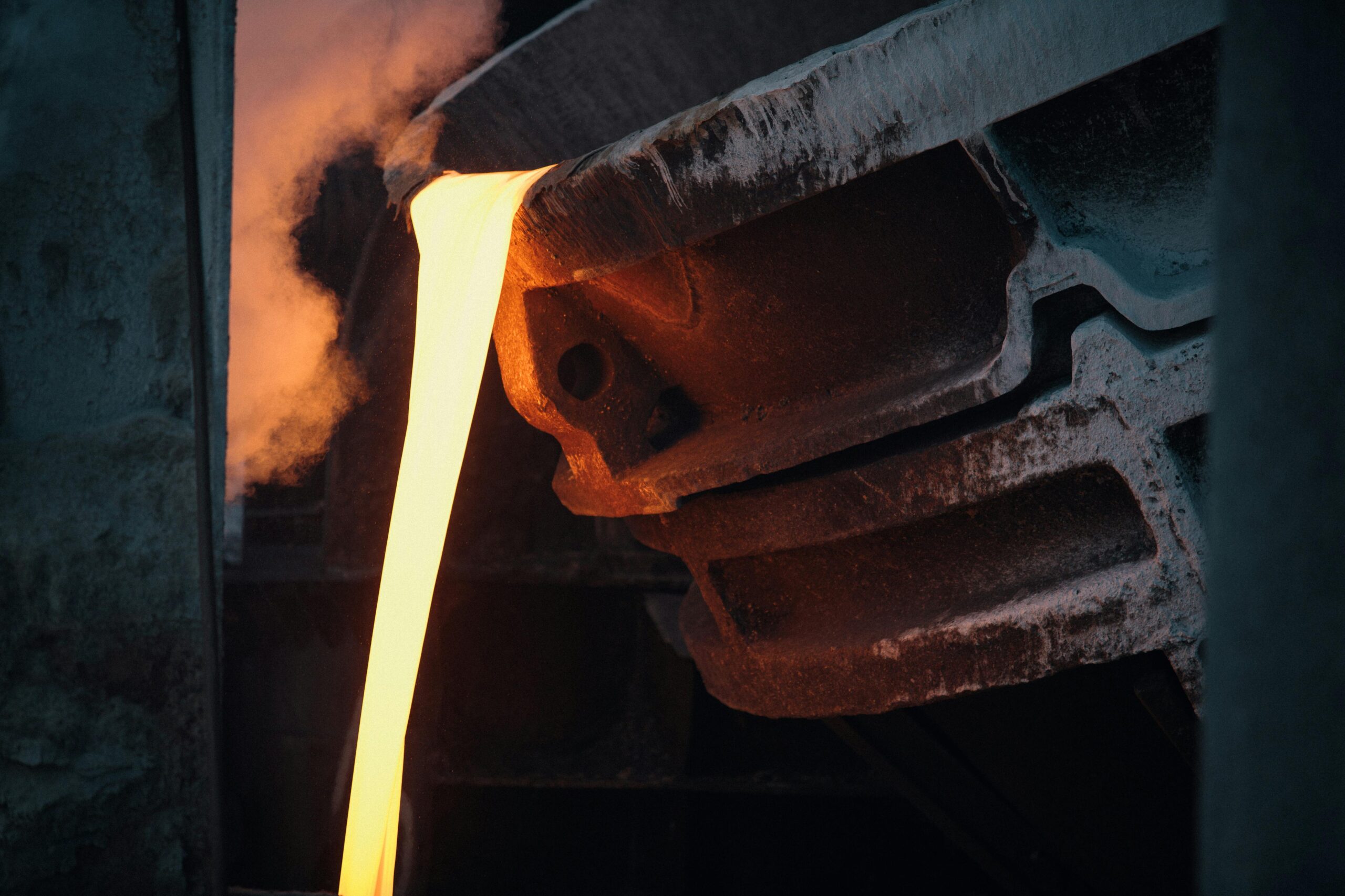
Credits to Bence Szemerey
The Real Purpose of Furnace-Front OES in Metal Analysis
Furnace-front Optical Emission Spectrometry (OES) is not used for identification.
It is used for chemistry control in stainless steel casting.
Before pouring stainless steel:
- A sample is taken directly from the molten heat
- The surface is prepared and tested by OES
- Carbon, sulphur, phosphorus and full alloy chemistry are verified
- If any element is out of range, composition is corrected before pouring
Only when chemistry complies with:
- Customer specification
- ASTM / EN stainless steel standards
- Internal control limits tighter than standard
- Is the heat released for casting.
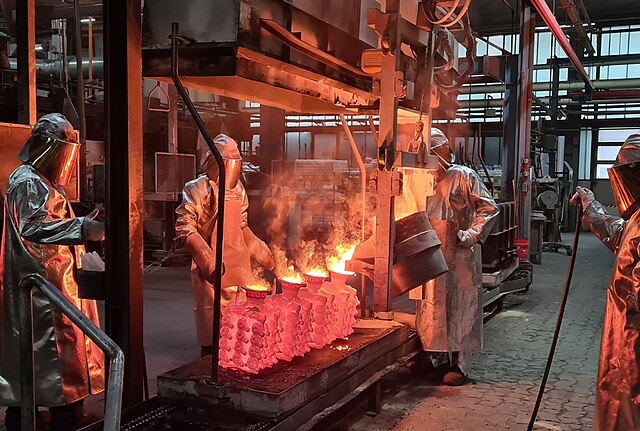
Image source: Wikimedia Commons
Verifying Compositions Cannot Be Done After Casting
The critical issue in stainless steel metal verification is examining whether the alloy composition truly meets the low-carbon (L grade) requirement at all.
| Comparison | What must be verified | Why OES is required |
| 304 vs 304L | Carbon level | Only OES measures carbon accurately |
| 316 vs 316L | Carbon level | Only OES measures carbon accurately |
A casting can:
-
- Look correct
- Pass dimensional checks
…and still fail the low-carbon requirement.
Once solidified, this cannot be corrected. That is why carbon verification must happen before pouring, not after casting.
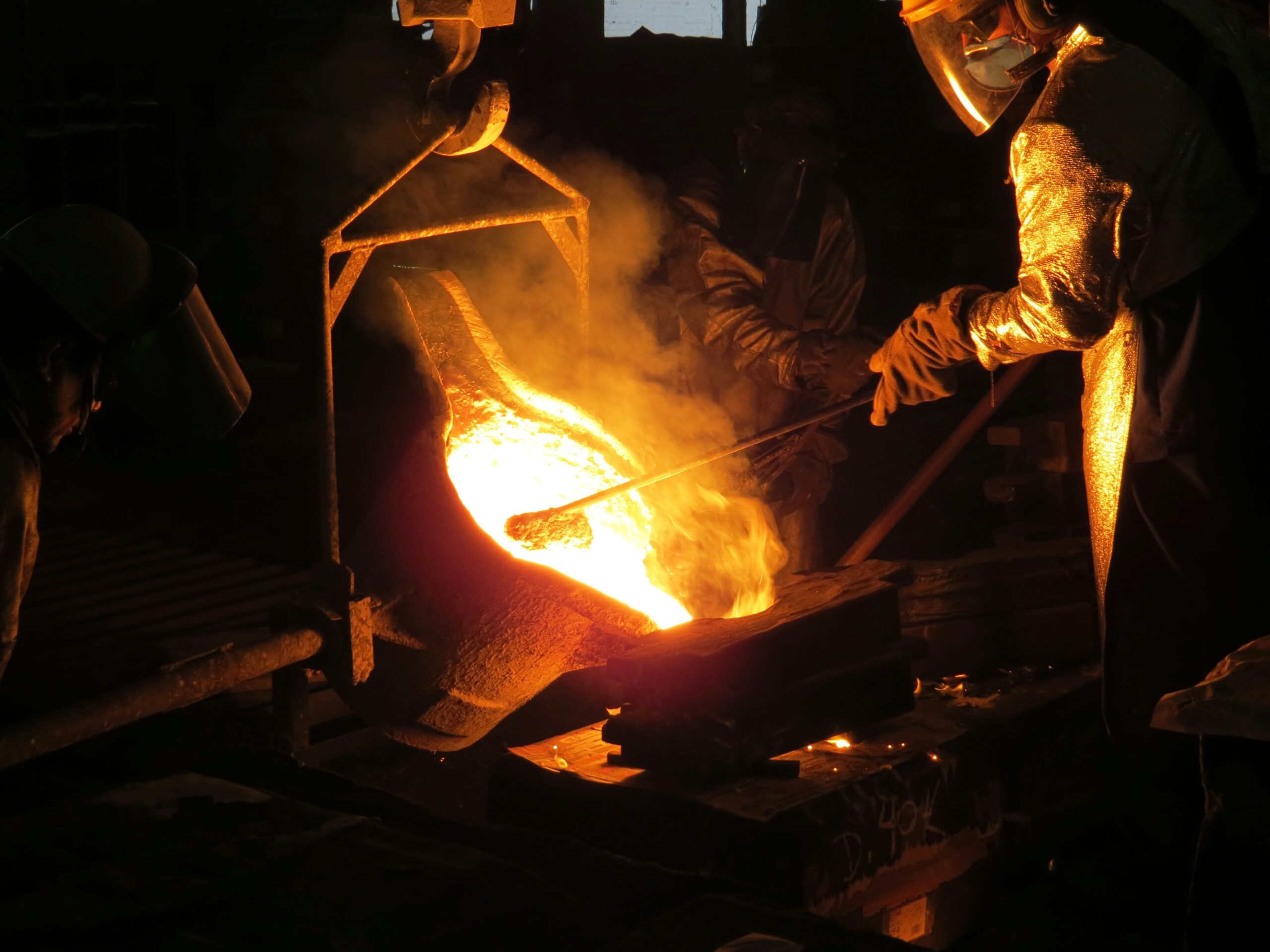
Photo by Francisco Fernandes on Unsplash
OES as a Built-In Process Control in Precision Investment Casting
In modern precision investment casting, Optical Emission Spectrometry (OES) is part of the production workflow:
| Stage | Purpose of OES |
| Before pouring | Verify molten heat chemistry |
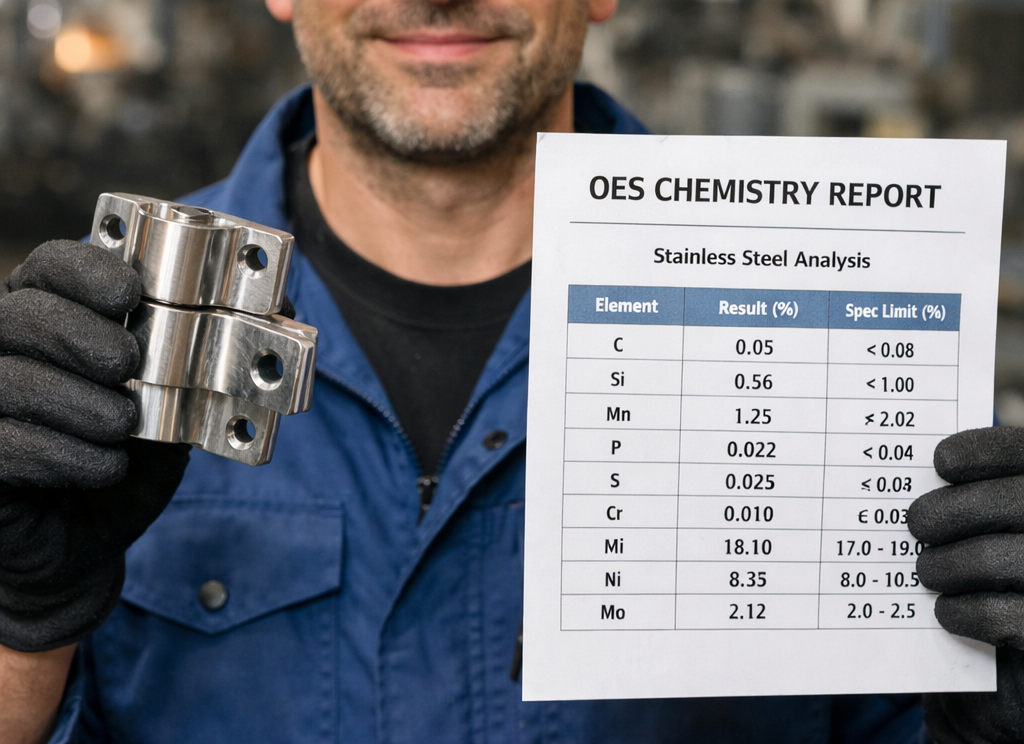
| Heat record | Generate spectrometer report linked to heat number |
| Batch traceability | Tie every casting batch to verified chemistry |
This is process control, not post-production inspection.
Compliance with Customer and International Standards
Using OES at the furnace ensures every heat complies with:
- Customer material specifications
- ASTM / EN stainless steel standards
- Traceable heat chemistry records for audits
This is the evidence auditors and EU/US buyers expect to see.
Precision in accordance with global standards across industries starts with verified chemistry. Contact us at info@waterson.com to discuss your precision investment casting project!
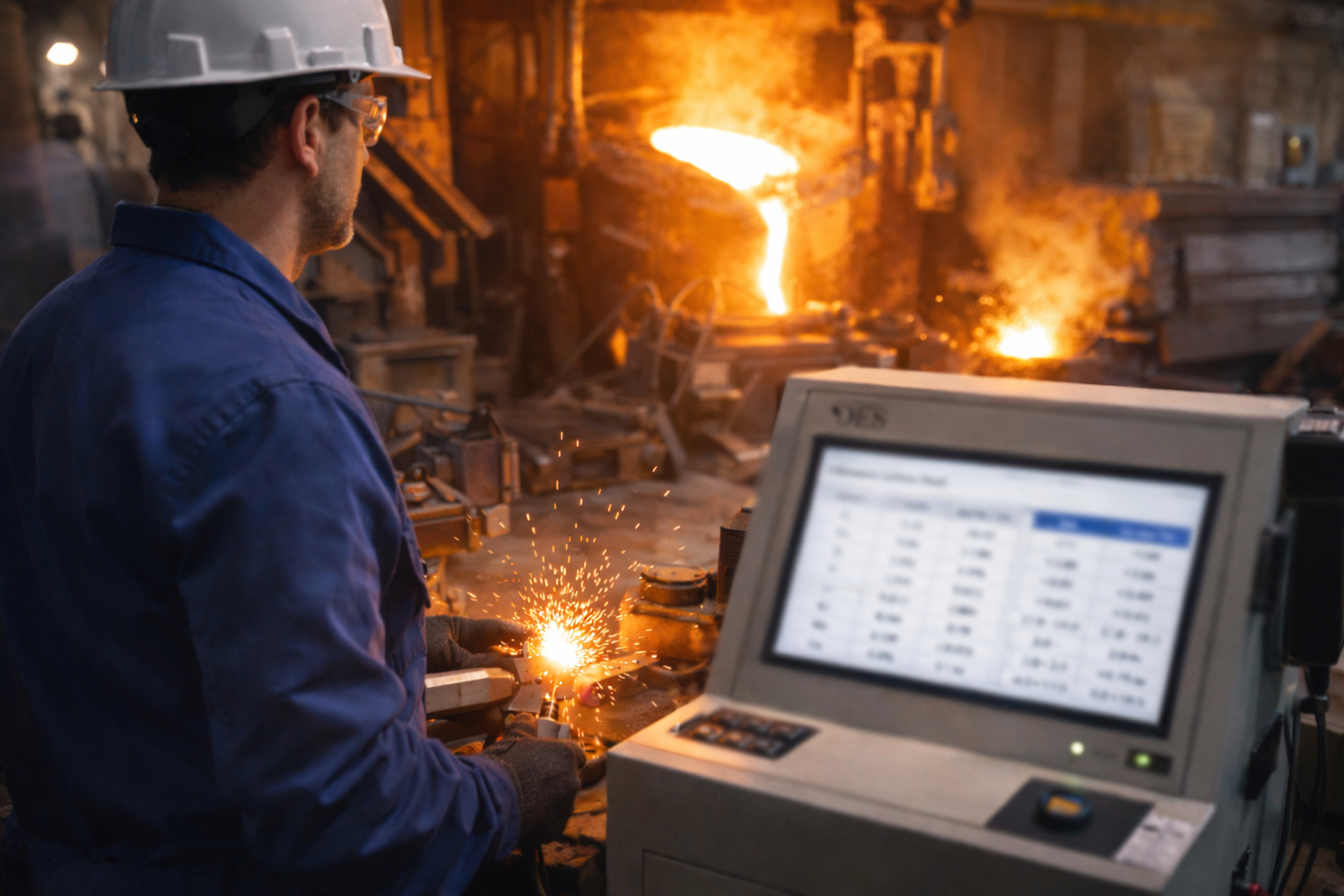
What Furnace-Front Optical Emission Spectrometry (OES) Means in Practice
- Chemistry is controlled, not assumed
- Low-carbon grades are genuinely verified
- Every batch of stainless steel castings has a spectrometer record
- Compliance is built into the process from the start
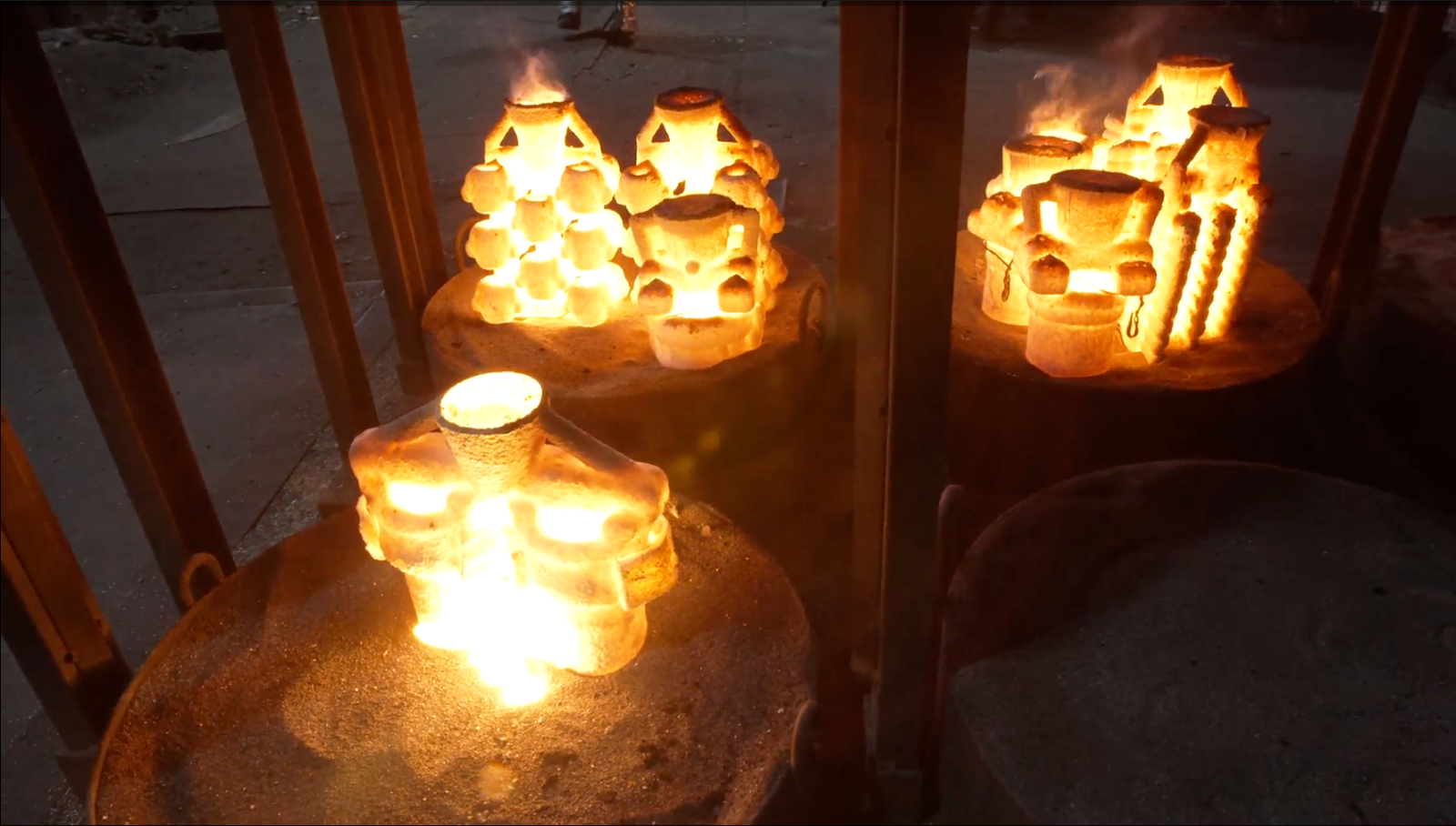
Data-Driven Chemistry Control at Waterson
At Waterson Corporation, investment casting is managed as a data-driven process, not a visual craft.
A furnace-front Optical Emission Spectroscopy (OES) spectrometer is used on every stainless steel heat to verify chemistry before pouring. The measured results are recorded, reviewed, and used to fine-tune composition in real time, ensuring full compliance with customer specifications and relevant ASTM / EN standards.
This scientific, numbers-based control of carbon, sulphur, phosphorus and alloying elements allows Waterson to deliver stainless steel castings that are consistent, compliant, and dependable, giving customers confidence that material quality is built into the process from the very start.
Why Choose Waterson Investment Casting?
At Waterson Corporation, we don’t just offer competitive pricing, we deliver real value. Our expertise in precision investment casting is built on what matters most to today’s global buyers:
- Reliable part performance
- Dimensional accuracy
- Consistent quality
- Regulatory compliance(CBAM, RoHS, REACH )
We understand that in markets like the U.S. and EU, your casting supplier needs to meet more than just cost targets. You need a partner who supports your sustainability goals, provides full traceability, and helps reduce your total cost of ownership through dependable supply and technical support.
If you’re looking for a casting manufacturer that delivers long-term value, not just parts, we’re here to help. Contact us at info@waterson.com to discuss your next project. Let’s build something better together!
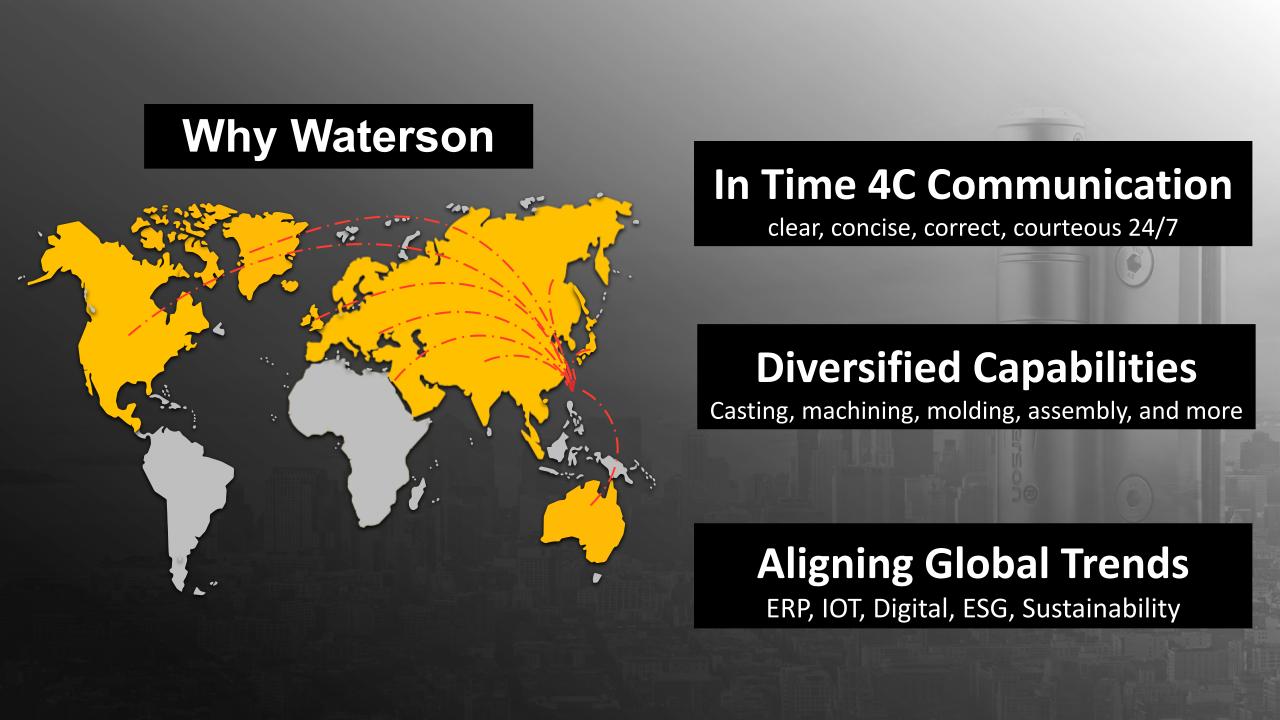
Why Waterson Investment Casting Methods Stand Out
Waterson Corporation is a leading metal products manufacturer specializing in components for the most challenging global applications. Clients benefit from Waterson’s investment casting process, which excels in precision, durability, and surface quality—delivering unmatched reliability and performance across diverse applications.
- Precision Casting: Intricate, robust components for demanding industries.
- Superior Finish: Near-perfect surfaces with minimal processing.
- ISO 2768 Standard: Exceeds aerospace, marine, and petrochemical benchmarks.
- Versatile Materials: Tailored solutions in stainless steel and alloys with efficient material cost.
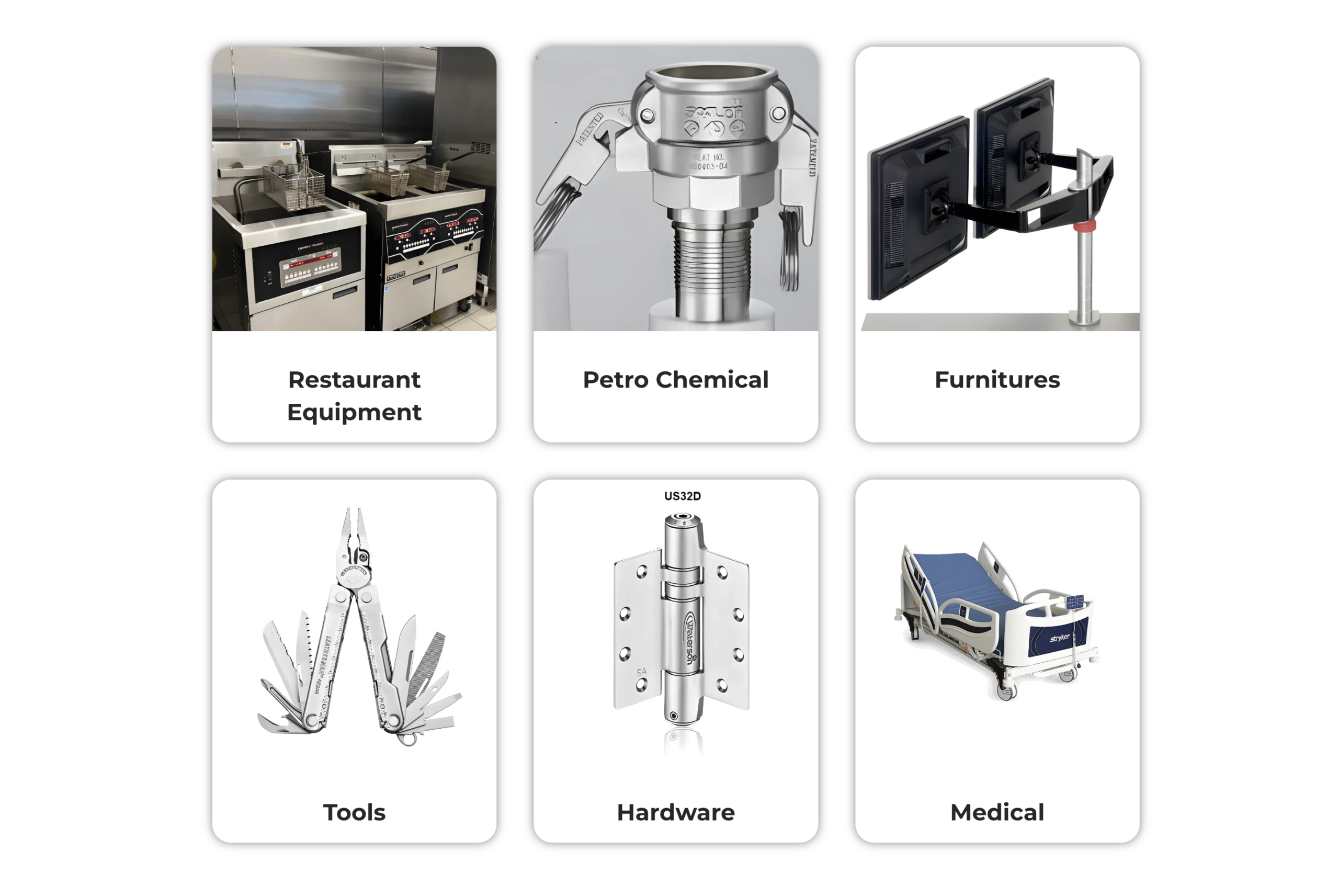
Waterson Stainless Steel Investment Casting Solutions
Waterson Precision Investment Casting is a wax-based foundry located in Taiwan specializing in stainless steel precision casting. It delivers high-volume, consistently high-quality castings to industries such as door hardware, petrochemicals, medical equipment, marine, hand tools, and food equipment. With an impressive 95% above self-production rate, Waterson’s production line encompasses mold design, fluid analysis, wax model creation, shell making, dewaxing, metal pouring, post-processing (e.g., acid pickling, alkaline treatment), sandblasting, heat treatment, machining, assembly, and packaging. Its stainless steel production line supports materials such as 304 (CF8), 316 (CF8M), and 17-4 stainless steel. Currently, there is available production capacity, feel free to contact info@waterson.com.